December 20, 2025
The muffler is a vital part of a vehicle’s exhaust system, responsible for noise reduction and supporting emission control. While small in size, its function is essential for safe and efficient vehicle operation. When a muffler or connected exhaust component fails, drivers may experience noise increases, reduced fuel efficiency, vibrations, or rising emissions. This article highlights the most common issues addressed by auto muffler repair and why early intervention protects both vehicle performance and long-term costs.
Excessive Noise
Identification of Noise Sources
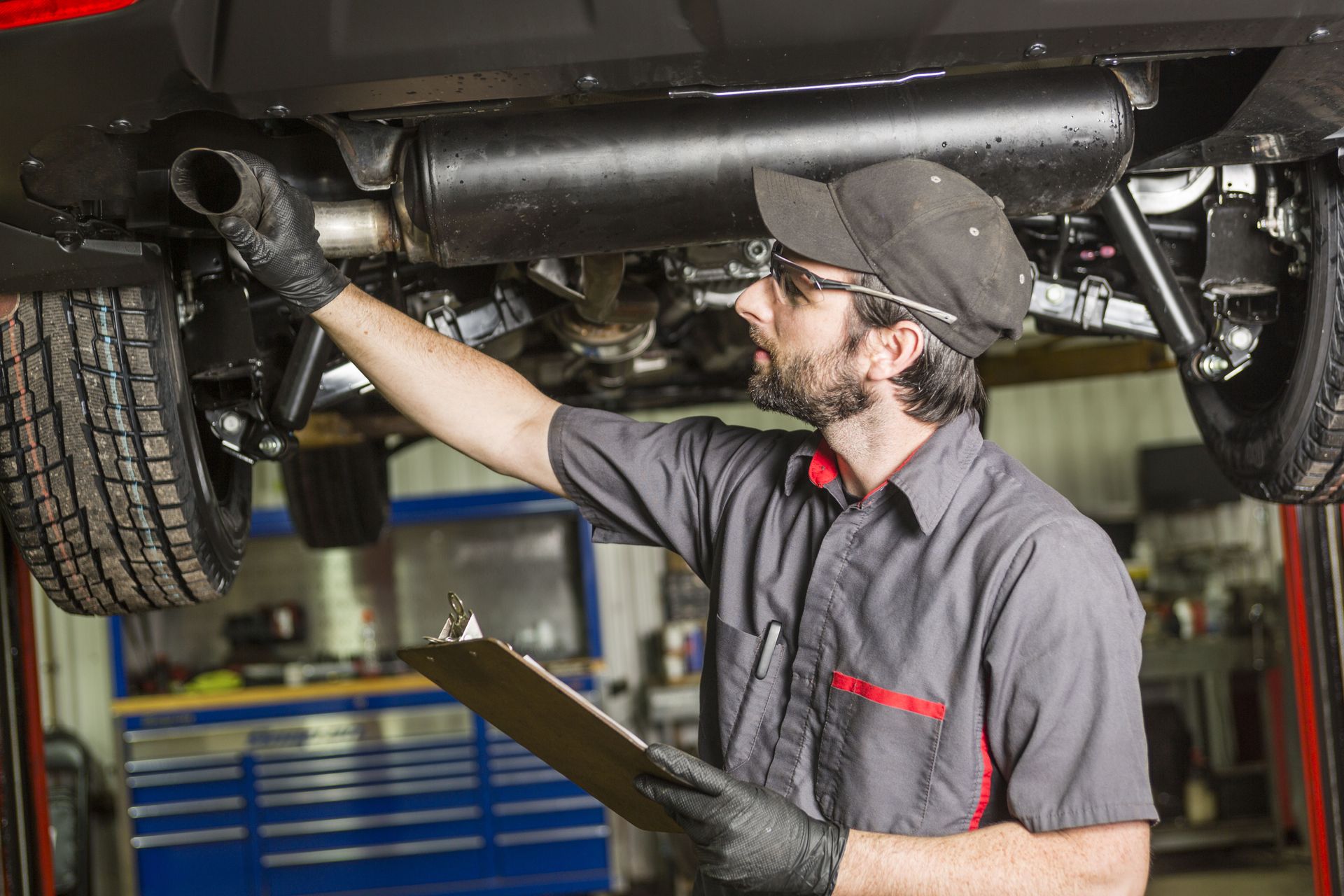
Excessive exhaust noise typically stems from cracks, holes, or loose connections in the muffler. Because sound can travel along the exhaust piping, technicians must inspect brackets, gaskets, and joints to narrow down the noise source. Many drivers pursue auto muffler repair at this stage because noise is one of the earliest signs of trouble. Accurate diagnosis ensures the correct component receives attention and avoids unnecessary repairs.
Inspection for Visible Damage
A muffler can develop rust, cracks, or punctures from moisture, debris, or road salt. When this type of damage appears, auto muffler repair becomes essential to prevent further deterioration. Technicians inspect for corrosion or perforation and evaluate whether the remaining structure is strong enough for repair or requires full replacement.
Sound Testing Procedures
Sound-level testing helps confirm where excessive noise originates and whether auto muffler repair will restore proper exhaust performance. Diagnostic tools differentiate normal engine noise from noise caused by leaks or structural failure, supporting accurate and efficient repair decisions.
Temporary vs Permanent Solutions
Temporary products like exhaust tape can reduce noise for short periods, but they are not substitutes for professional auto muffler repair. Permanent repairs—such as welding or replacing compromised parts—provide long-term reliability, especially when damage compromises the muffler’s structural strength.
Post-Repair Noise Evaluation
After completing auto muffler repair, technicians recheck sound levels and inspect welds or replaced sections. This evaluation ensures leaks are sealed and confirms that noise has returned to normal levels, reducing the likelihood of recurring issues.
Exhaust Leaks
Signs of Exhaust Leaks
Exhaust leaks often create hissing or popping sounds and may contribute to reduced performance or strong exhaust odors. Many drivers seek auto muffler repair after noticing these symptoms. According to Kelley Blue Book, there are 289 million light-duty vehicles in the U.S., including cars, pickup trucks, and SUVs, which is 3 million more than the year before—making awareness of leak symptoms increasingly important for vehicle owners nationwide.
Leak Detection Techniques
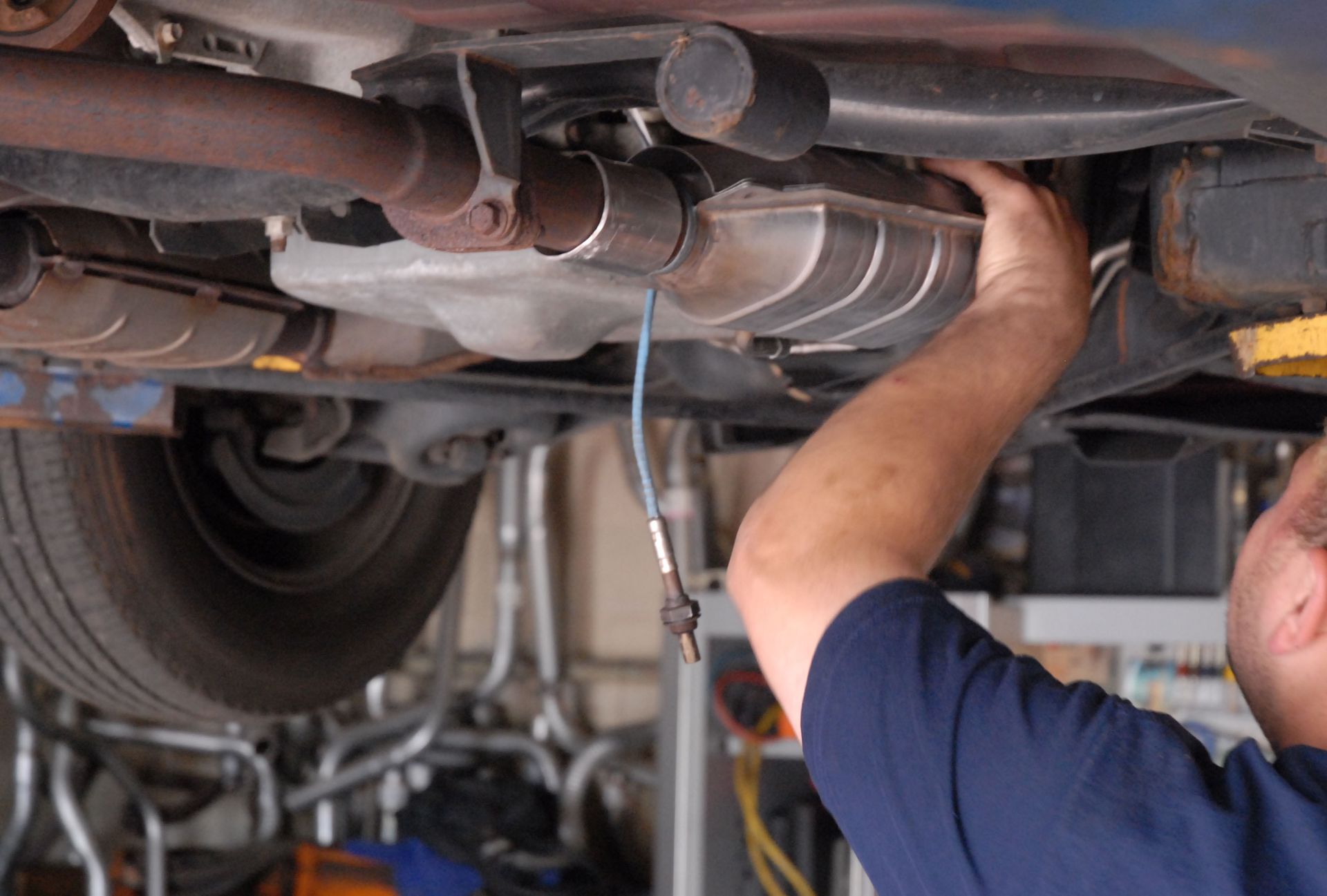
Technicians inspect pipes for soot marks, cracks, and loose joints, and they may use smoke testing equipment to identify difficult leaks. When leaks occur near the muffler, auto muffler repair helps restore proper exhaust flow and protects occupants from harmful fumes.
Risk Assessment of Leaks
Leaks allow toxic gases such as carbon monoxide to escape before they reach the rear of the vehicle. Auto muffler repair becomes critical when leaks pose safety risks or when emissions begin to rise. Assessing severity helps determine whether immediate intervention is necessary.
Sealing Leaks with Muffler Tape
High-temperature tape can temporarily seal minor cracks, but it cannot withstand long-term exhaust heat and pressure. This option simply buys time until auto muffler repair is available, ensuring that drivers remain safe while awaiting permanent service.
Long-term Leak Repair Solutions
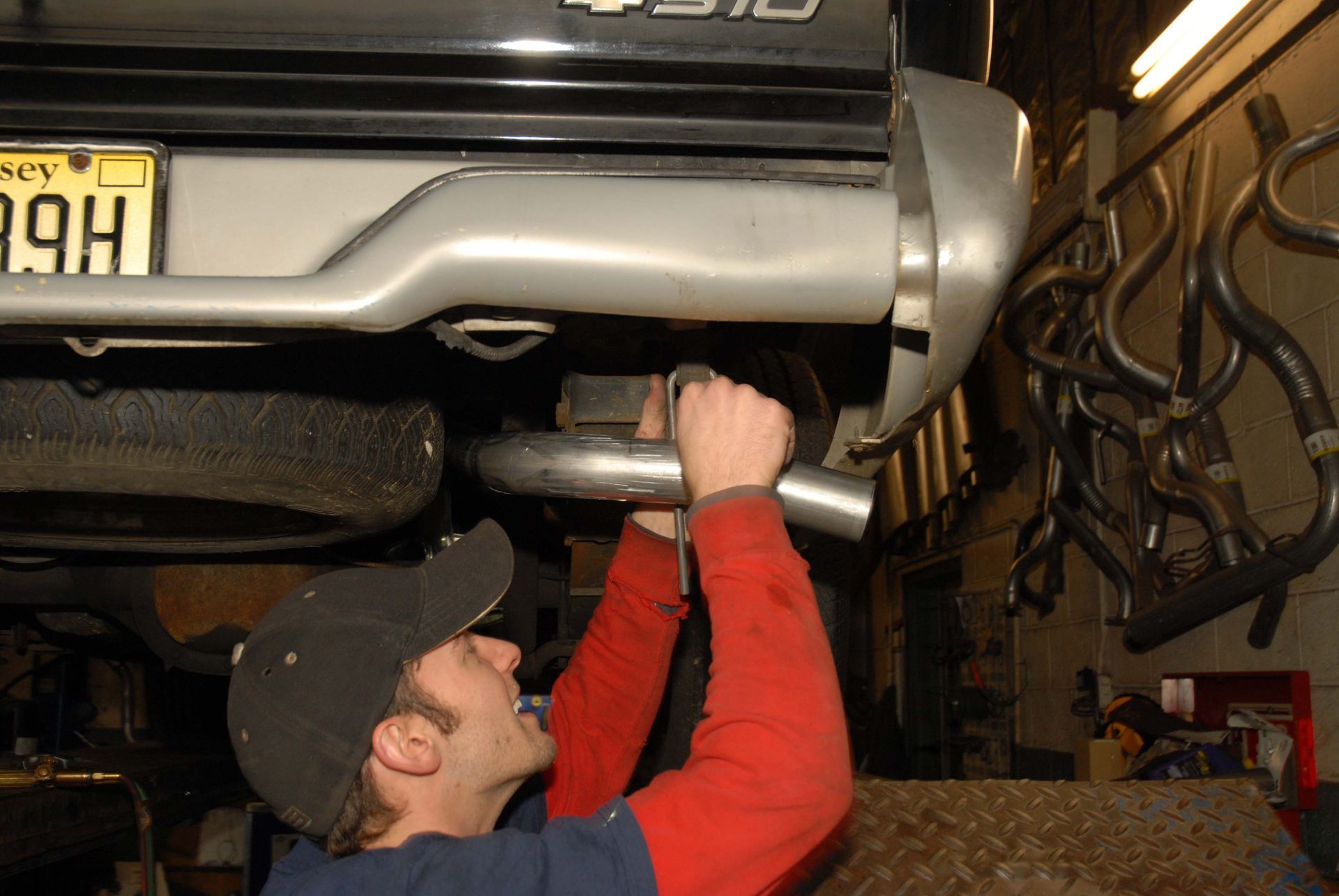
Permanent repairs often include welding, resecuring loose joints, or installing new exhaust components. Auto muffler repair restores proper backpressure and prevents leaks from affecting fuel efficiency, emissions, and safety.
Poor Fuel Efficiency
Impact of Mufflers on Mileage
A damaged muffler disrupts exhaust flow and increases engine workload. Many drivers turn to auto muffler repair after noticing unexpected fuel consumption increases. A properly functioning muffler supports fuel-efficient performance by maintaining correct backpressure.
Diagnosing Inefficient Exhaust Systems
Technicians use onboard diagnostic systems to identify problems that affect fuel economy. When deterioration or clogging occurs near the muffler, auto muffler repair can help restore proper exhaust routing and improve mileage.
Fuel Monitoring Methods
Tracking mileage can reveal changes linked to exhaust issues. When combined with professional inspection, observations about declining fuel efficiency often lead to timely auto muffler repair that prevents further engine stress.
Repair vs Replacement Considerations
Minor weldable damage may only need simple repair, while severe corrosion or fragmentation calls for muffler replacement. Auto muffler repair professionals weigh factors like cost, longevity, and system condition to recommend the best solution.
Tracking Fuel Efficiency Post-Repair
After auto muffler repair, drivers often notice smoother performance and improved fuel efficiency. Monitoring mileage afterward helps confirm whether the repair fully addressed the issue or if additional diagnostic work is required.
Vibrations and Rattling
Common Causes of Muffler Vibrations
Loose clamps, broken hangers, or shifting exhaust pipes cause vibration and rattling noises. These symptoms frequently prompt vehicle owners to seek auto muffler repair, as the noises can worsen over time and indicate structural instability.
Inspection for Loose Components
Technicians check mounting hardware, brackets, and hangers to ensure the muffler is properly secured. When these parts fail, auto muffler repair includes replacing worn supports and strengthening weak connections.
Balancing the Exhaust System
An uneven or misaligned exhaust system can stress multiple components simultaneously. Auto muffler repair often involves realigning pipes, adjusting brackets, and restoring overall system balance to reduce vibration and prevent repetitive damage.
Tools for Reducing Vibrations
Upgraded hangers, insulating mounts, and vibration-damping hardware help stabilize the exhaust system. These components are sometimes added during auto muffler repair to prevent future noise and movement.
Ensuring Stability After Repair
After repairs, road testing verifies that rattling and shaking have been eliminated. Auto muffler repair is considered complete only when the system remains stable during real-world driving conditions.
Increased Emission Levels
Role of Mufflers in Emission Control
Mufflers help direct exhaust gases through the catalytic converter. When cracks or misalignment occur, emissions can rise. Auto muffler repair ensures gases move correctly through the system, supporting environmental compliance.
Measuring Emission Levels
Emission tests identify excess pollutants in the exhaust stream. If readings exceed permitted levels, auto muffler repair may be necessary to eliminate leaks or structural damage affecting gas flow.
Tackling Emission-related Muffler Issues
Repair strategies include welding damaged sections, fixing alignment issues, or replacing compromised pipes. Because high emissions can stem from muffler failure, auto muffler repair often corrects these problems effectively.
Compliance with Emission Standards
Many states require vehicles to meet specific emission thresholds. Auto muffler repair supports compliance by restoring system integrity and ensuring pollutants are treated before being released into the atmosphere.
Evaluating Emission Post-Repair
Post-repair testing confirms that emission levels have returned to acceptable standards. If levels remain high, further inspection may identify additional components requiring service beyond auto muffler repair.
Muffler Corrosion and Rust
Understanding Metal Wear and Tear
Moisture, salt, and road debris accelerate corrosion on mufflers and pipes. When rust weakens the metal, auto muffler repair may involve patching, reinforcing, or replacing affected sections before structural failure occurs.
Proactive Rust Prevention Techniques
Regular undercarriage washing, protective coatings, and routine inspections help slow corrosion. If early rust is detected, auto muffler repair can remove damaged sections and prevent rust from spreading.
Material Options for Muffler Replacement
Stainless steel offers superior corrosion resistance, while aluminized steel provides affordability with moderate protection. Choosing the right replacement material during auto muffler repair enhances long-term durability.
Protective Coatings and Treatments
Heat-resistant paints and ceramic coatings help shield metal from moisture and salt exposure. These treatments are often recommended alongside auto muffler repair to extend the lifespan of the exhaust system.
Maintenance Tips to Prevent Future Corrosion
Keeping the undercarriage clean, storing vehicles in dry environments, and inspecting the exhaust regularly all reduce long-term rust risks. When corrosion begins, auto muffler repair can stop degradation before it becomes extensive.
Repairing muffler issues improves safety, performance, and compliance with noise and emission regulations. By addressing noise, leaks, fuel inefficiency, vibrations, and corrosion early, drivers avoid costly repairs and maintain smoother vehicle operation. As vehicle numbers grow nationwide, responsible exhaust system maintenance remains essential for both driver safety and environmental health. Reach out to Aces Performance Exhaust today to learn more.